

How Street Furniture Improves Quality of Life in Cities
Street furniture is a silent but essential part of urban life. The way a city is equipped influences the behavior, well-being, and even the perception of safety, inclusion, well-being, and comfort of its inhabitants.
Elements such as passenger shelters, benches, or trash cans shape the relationship between people and collective space, creating more fluid routines and more human experiences.
1. More comfort for those who wait
Waiting for public transport is part of the day for thousands of people. Having a suitable shelter means comfort, protection, and even a better mood for the day.
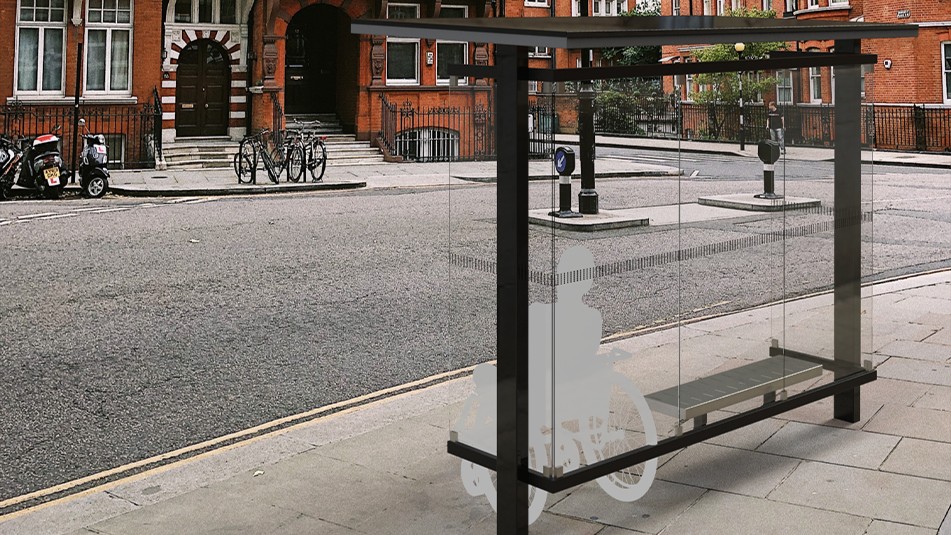
Microcubo’s Lusitano Shelter was developed precisely with this focus: to offer a sheltered space with modern lines, adaptable to different urban realities.
2. Safety can also be built
Street furniture contributes to a safer city, especially in pedestrian areas.
A well-lit shelter with side visibility and a solid structure, such as the Lusitano Shelter, reinforces the feeling of safety and reduces the vulnerability of users—especially during off-peak hours or in outlying areas.
3. Inclusion begins with accessibility
Fairer cities are those designed for everyone. Street furniture must be inclusive, ensuring accessibility for people with reduced mobility, the elderly, children, and others with specific needs.
The Lusitano Shelter complies with accessibility standards and offers sufficient space for people with reduced mobility.
4. Urban identity through design
Public spaces also communicate. When street furniture has a coherent, elegant, and functional design, it contributes to the visual identity of the city.
The elegant design of the Lusitano Shelter allows for harmonious integration into different urban areas, from historic centers to contemporary neighborhoods.
5. An investment that makes an impact
The city of Viana do Castelo replaced 80 passenger shelters, choosing Microcubo’s solution for this renovation.

This decision shows the recognition of street furniture as a determining factor in the quality of public spaces. The operation was widely publicized in media outlets such as Observador, Green Savers, Rádio Alto Minho, Diário do Minho, and Jornal de Notícias.
6. Sustainability in every choice
The use of resistant, recyclable, and easy-to-maintain materials is essential for the sustainability of street furniture. Solutions such as the Lusitano Shelter minimize future interventions, reduce operating costs, and contribute to a smaller ecological footprint.
7. One gesture, many benefits
Replacing an old shelter with a new one may seem like a one-off improvement, but it has noticeable practical effects. With more modern, resistant structures that are aesthetically integrated into the public space, there is an immediate enhancement of the urban fabric. In addition, updating street furniture conveys a clear image of active maintenance and commitment to the quality of the space that belongs to everyone.
8. More attentive municipalities
The case of Viana do Castelo highlights a growing concern for citizens’ comfort and experience in public spaces. The decision to replace 80 passenger shelters with more modern structures demonstrates a clear commitment to the continuous improvement of collective living and the urban fabric.
Investing in quality street furniture is a way of enhancing the area and responding in a concrete way to people’s everyday needs. When the space is cared for, citizens feel cared for too.
Microcubo and more humane cities
Microcubo develops design solutions that combine functionality, durability, and social impact.
The Lusitano Shelter is a reflection of this philosophy: an example of how design can transform the way we experience the city.
Want to know how to implement street furniture solutions in your city or project? Talk to Microcubo and find out how we can collaborate to create more comfortable, safe, and sustainable spaces.